
Tata Nano EV 2026: India’s Cheapest Electric Car with 315 Km Range, Smart Features and Price Starting from ₹4.59 Lakh
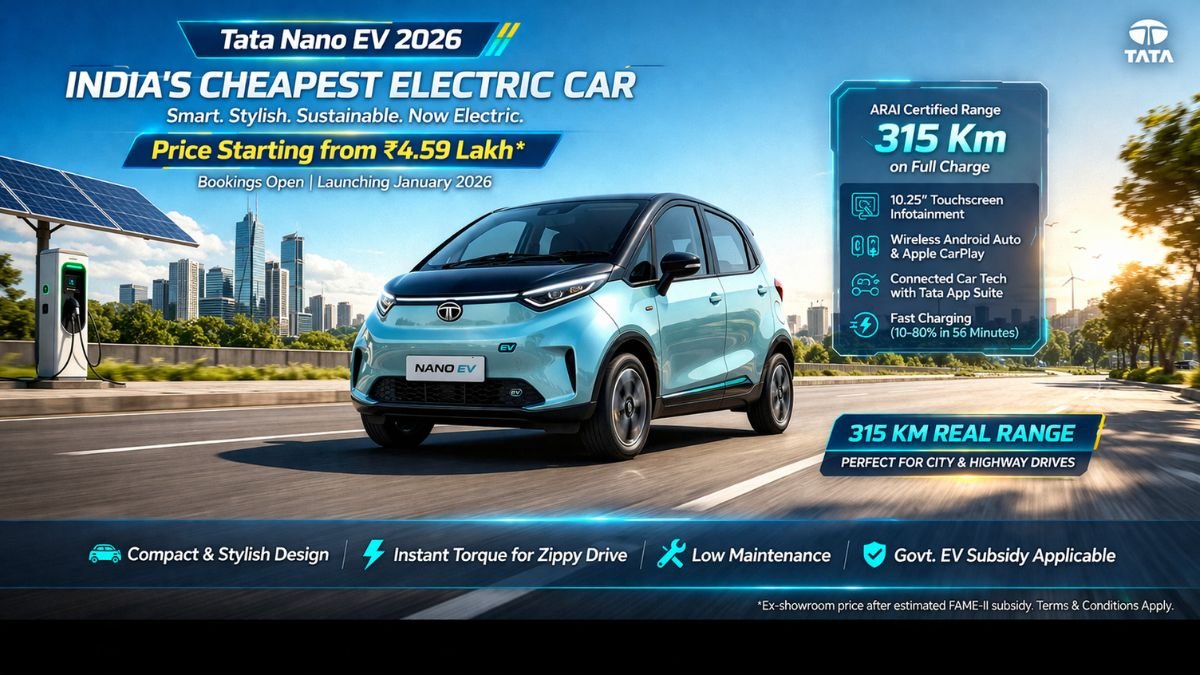
The Indian automobile industry is undergoing a massive transformation, and electric vehicles are at the center of this revolution. Among the most exciting developments is the return of a familiar name—the Tata Nano. Once known as the “people’s car,” the Nano is making a comeback in a completely new avatar as the Tata Nano EV 2026. This time, it is not just about affordability but also sustainability, smart technology, and practicality.
The Tata Nano EV 2026 aims to redefine budget mobility in India by offering an electric car at a price point that was once unimaginable. With a starting price of ₹4.59 lakh and an impressive driving range of 315 kilometers, this compact EV is set to become a game-changer for middle-class families and first-time car buyers.
A New Beginning for an Iconic Car
When the original Tata Nano was launched, it created headlines for being the world’s cheapest car. Although it had its challenges, it succeeded in putting car ownership within reach of millions. Now, in 2026, the Nano returns with a modern vision aligned with India’s push towards electric mobility.
The Nano EV is not just a nostalgic revival but a complete reinvention. It reflects how far technology and consumer expectations have evolved. This new version is designed to cater to urban commuters who seek affordability without compromising on performance or features.
Design and Exterior Appeal
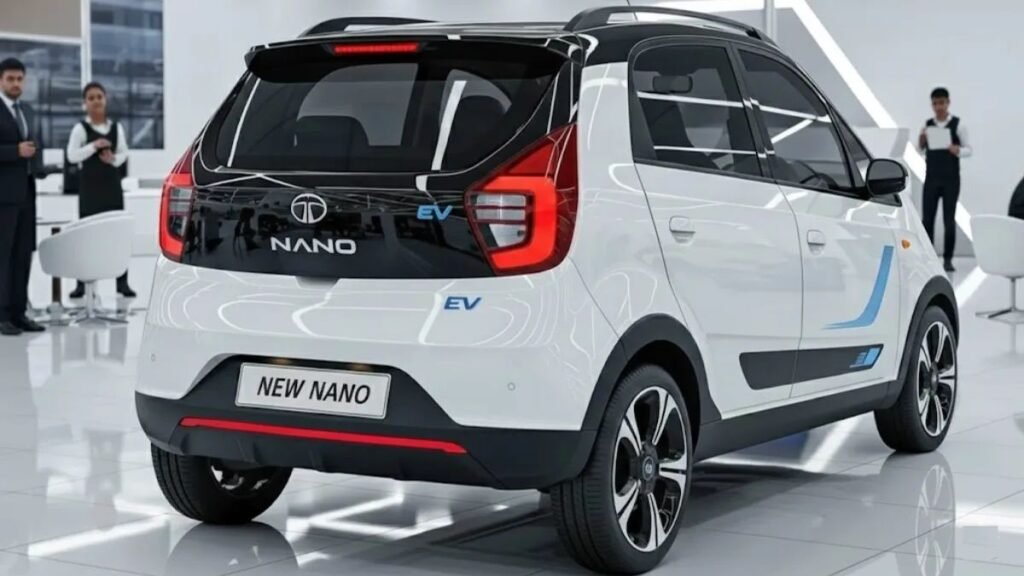
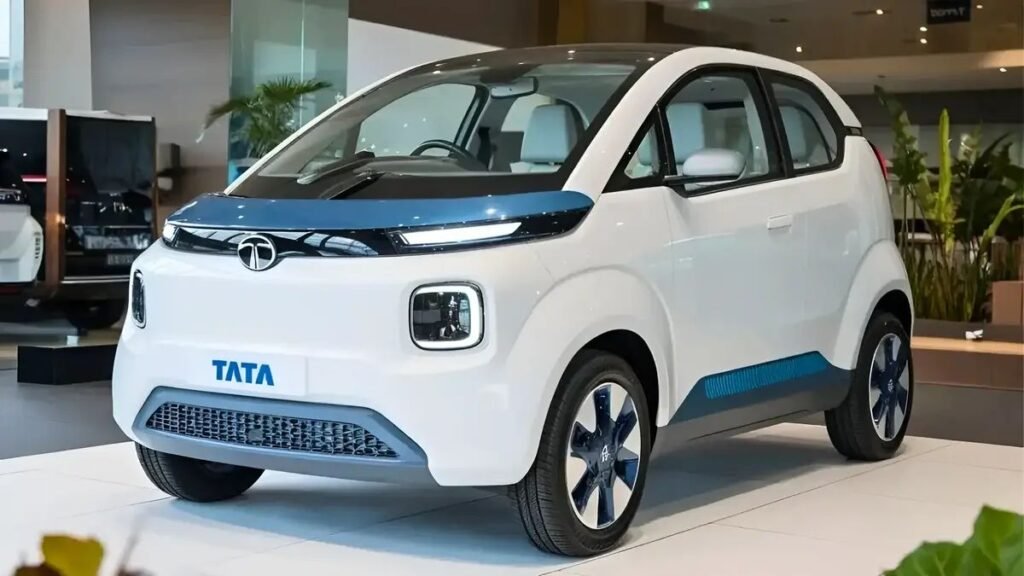
The Tata Nano EV 2026 comes with a refreshed design that looks far more modern and appealing than its predecessor. The compact dimensions remain intact, making it perfect for city driving and tight parking spaces. However, the exterior styling has been significantly upgraded with sleek LED headlights, redesigned bumpers, and stylish alloy wheels.
The car carries a youthful and futuristic look that aligns with its electric identity. The closed front grille, aerodynamic lines, and bold color options add to its visual appeal. Despite being a budget car, the Nano EV manages to stand out on the road with its smart design elements.
Interior Comfort and Cabin Experience
Step inside the Tata Nano EV, and you will notice a major transformation. The cabin is designed to offer a comfortable and practical experience for daily commuters. While it remains a compact car, the intelligent use of space ensures decent legroom and headroom for passengers.
The dashboard features a clean layout with a digital instrument cluster that displays essential driving information. The inclusion of a touchscreen infotainment system brings a modern touch to the cabin. Features like Bluetooth connectivity, smartphone integration, and USB charging ports make it suitable for today’s tech-savvy users.
The seats are designed for comfort during city drives, and the improved material quality enhances the overall feel of the interior. For a car in this price segment, the Nano EV offers a surprisingly refined cabin experience.
Performance and Driving Range
One of the biggest highlights of the Tata Nano EV 2026 is its impressive driving range. The car is expected to deliver up to 315 kilometers on a single charge, making it highly practical for daily commuting as well as occasional long drives.
The electric motor provides smooth and silent performance, which is one of the key advantages of EVs. Instant torque ensures quick acceleration, especially useful in city traffic conditions. The lightweight structure of the Nano further enhances efficiency and range.
Charging the Nano EV is also convenient. It can be charged using a standard home socket, making it accessible for most households. Additionally, fast-charging options may allow users to charge the battery quickly when needed.
Smart Features and Technology
The Tata Nano EV 2026 is not just about affordability—it also brings a range of smart features that enhance the driving experience. The infotainment system supports smartphone connectivity, allowing users to access navigation, music, and calls easily.
Other expected features include keyless entry, push-button start, and a digital driver display. Some variants may also offer connected car technology, enabling users to monitor battery status and vehicle location through a mobile app.
Safety features such as airbags, ABS with EBD, and rear parking sensors ensure that the car meets modern safety standards. These additions make the Nano EV a well-rounded package for urban buyers.
Affordability and Pricing Advantage
The most striking aspect of the Tata Nano EV 2026 is its price. With a starting price of ₹4.59 lakh, it is positioned as India’s most affordable electric car. This pricing strategy is expected to attract a wide range of buyers, including students, small families, and budget-conscious consumers.
The low running cost of electric vehicles further enhances its appeal. Compared to petrol or diesel cars, the Nano EV offers significant savings on fuel expenses. Maintenance costs are also lower due to fewer moving parts in electric vehicles.
Government incentives and subsidies for electric vehicles may further reduce the effective cost, making it an even more attractive option for buyers.
Ideal for Urban Mobility
The Tata Nano EV is designed primarily for city use. Its compact size makes it easy to maneuver through crowded streets and narrow lanes. Parking becomes hassle-free, even in congested urban areas.
For daily office commutes, school runs, and short trips, the Nano EV proves to be a practical and economical choice. The impressive range ensures that users do not have to worry about frequent charging.
As cities continue to face pollution challenges, switching to an electric car like the Nano EV can contribute to a cleaner environment. It aligns perfectly with India’s vision of sustainable mobility.
Market Impact and Competition
The launch of the Tata Nano EV 2026 is expected to disrupt the entry-level car segment. By offering an electric vehicle at such an affordable price, Tata Motors is setting a new benchmark in the industry.
It may also encourage other manufacturers to introduce budget-friendly EVs, increasing competition and innovation in the market. For consumers, this means more choices and better technology at competitive prices.
The Nano EV has the potential to accelerate the adoption of electric vehicles in India, especially among first-time buyers who were previously hesitant due to high costs.
Challenges and Expectations
While the Tata Nano EV looks promising, it will also face certain challenges. Infrastructure for EV charging is still developing in many parts of India. Ensuring widespread availability of charging stations will be crucial for its success.
Additionally, consumer perception will play a significant role. The original Nano faced challenges related to branding, and Tata Motors will need to position the Nano EV as a modern, aspirational product rather than just a budget car.
However, with improved design, advanced features, and strong performance, the Nano EV has the potential to overcome these challenges and create a strong market presence.
Conclusion
The Tata Nano EV 2026 represents a bold step towards making electric mobility accessible to everyone. With its affordable pricing, impressive 315 km range, and smart features, it is poised to become a popular choice among Indian consumers.
This car is more than just a revival of an old model—it is a symbol of how innovation can transform mobility. By combining affordability with sustainability, the Nano EV has the potential to redefine the future of transportation in India.
For anyone looking to switch to an electric vehicle without breaking the bank, the Tata Nano EV 2026 could be the perfect option. It brings together practicality, efficiency, and modern technology in a compact and budget-friendly package.
FAQs
Q1. What is the expected range of Tata Nano EV 2026?
The Tata Nano EV is expected to offer a driving range of up to 315 kilometers on a single charge.
Q2. What is the starting price of Tata Nano EV 2026?
The starting price is estimated to be ₹4.59 lakh, making it India’s most affordable electric car.
Q3. Is Tata Nano EV suitable for long drives?
While it is primarily designed for city use, its 315 km range makes it capable of handling occasional long drives comfortably.
Related Post

Tata Sumo 2026 Model 7-Seater Car Launched at the Price of a Pulsar Bike – Comes with 2956cc Engine and Great Mileage
Tata Sumo 2026 Model 7-Seater Car Launched: There was a time in the Indian automobile [...]
New Tata Electric Scooter Priced at ₹39,999: Features 1500W Motor & Quick Charging
India’s electric vehicle market has been evolving rapidly, with new innovations and affordable solutions making [...]