
Yamaha Achieves 67,000+ Units in Feb 2026, Registers 33% YoY Increase
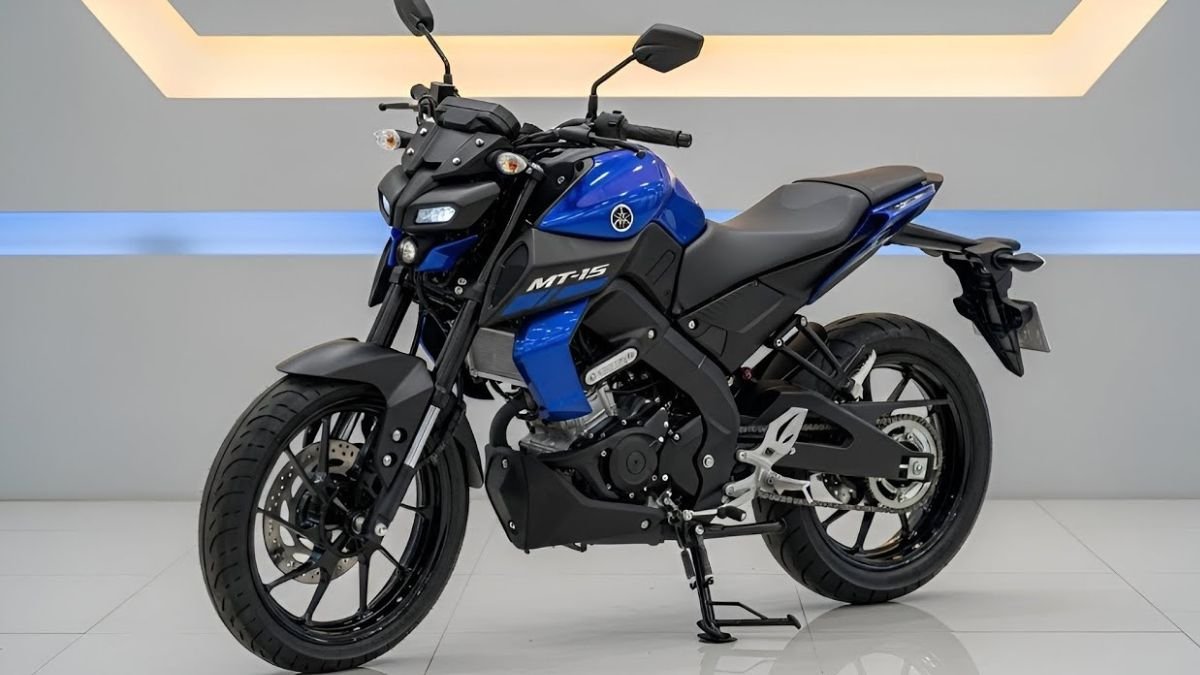
Yamaha Motor Company has kicked off 2026 with impressive momentum, recording sales of over 67,000 units in February alone. This marks a significant 33% year-on-year (YoY) increase compared to the 50,498 units sold during the same period in 2025. The growth not only reflects Yamaha’s strengthening presence in the competitive two-wheeler market but also signals a positive shift in consumer demand and market confidence.
The February performance stands out as a clear indicator of Yamaha’s strategic direction paying off. With rising competition in the Indian two-wheeler sector, achieving such a substantial growth rate is no small feat. It highlights the company’s ability to adapt to changing customer preferences while maintaining its brand identity rooted in performance, reliability, and style.
What’s Driving Yamaha’s Sales Growth?
Several factors have contributed to Yamaha’s remarkable sales surge in February 2026. One of the most prominent drivers has been the growing popularity of its sporty and premium commuter motorcycles. Models that combine stylish design with fuel efficiency have found strong appeal among younger buyers as well as urban commuters.

In addition, Yamaha’s focus on innovation and consistent product upgrades has helped it stay relevant in a rapidly evolving market. The company has been proactive in refining engine technology, improving ride comfort, and introducing advanced features that resonate with today’s tech-savvy consumers. These improvements have translated into stronger showroom footfall and higher conversion rates.
Another key factor is Yamaha’s expanding dealership and service network. By strengthening its presence across urban and semi-urban regions, the company has made its products more accessible to a wider audience. This accessibility, combined with effective after-sales service, has significantly boosted customer trust and repeat purchases.
Rising Demand in the Indian Two-Wheeler Market
The Indian two-wheeler market has been witnessing a steady recovery and growth, especially in the post-pandemic years. Increasing urbanisation, improved road infrastructure, and the need for affordable personal mobility have all contributed to rising demand. Yamaha has successfully capitalised on these trends by offering products that cater to both aspirational and practical needs.
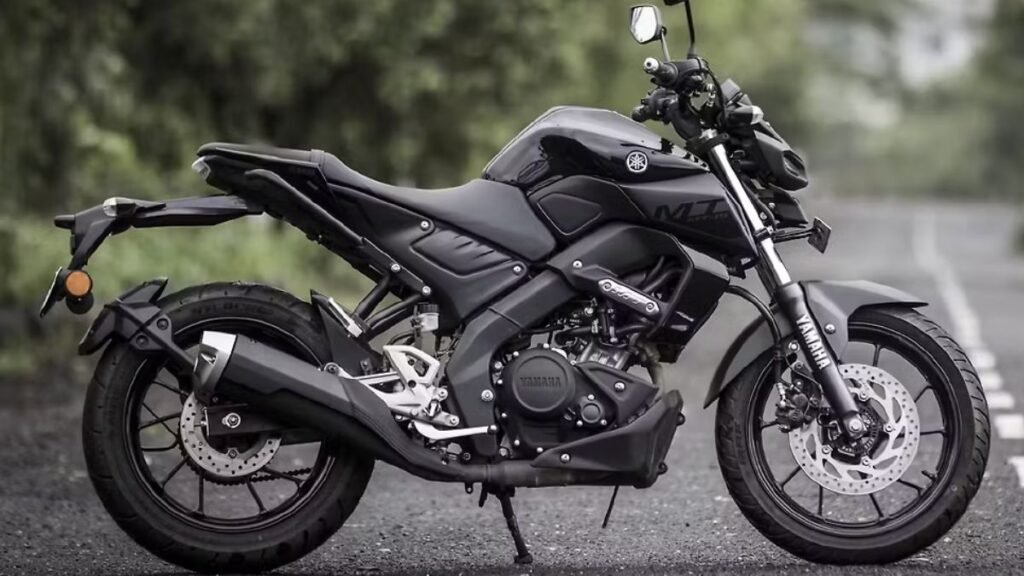
Moreover, the shift towards fuel-efficient and low-maintenance vehicles has played in Yamaha’s favour. With fuel prices remaining a concern for many consumers, motorcycles that offer a balance of performance and mileage are becoming increasingly popular. Yamaha’s lineup fits well within this demand curve, helping it gain a competitive edge.
The Role of Brand Image and Customer Loyalty
Yamaha has long enjoyed a strong brand image, especially among enthusiasts who value performance-orientated motorcycles. Over the years, the company has managed to strike a balance between sportiness and everyday usability, making its products appealing to a broader audience.
Customer loyalty has also been a crucial factor in driving sales growth. Many existing Yamaha users continue to upgrade within the brand, thanks to their positive ownership experience. This loyalty, combined with word-of-mouth recommendations, has played a vital role in attracting new customers.

The company’s marketing strategies have further amplified its reach. By leveraging digital platforms, social media campaigns, and targeted promotions, Yamaha has effectively connected with younger demographics. This engagement has not only strengthened brand recall but also influenced purchase decisions.
Competition and Market Position
The Indian two-wheeler market is highly competitive, with several established players vying for market share. Despite this, Yamaha has managed to carve out a distinct niche for itself. Instead of competing solely on price, the company has focused on delivering value through design, performance, and technology.
This positioning has allowed Yamaha to stand out in a crowded market. While other manufacturers may dominate in terms of volume, Yamaha’s emphasis on quality and premium appeal has helped it maintain a loyal customer base. The February 2026 sales figures clearly demonstrate that this strategy is yielding positive results.
Challenges Ahead
While the current growth trajectory is encouraging, Yamaha will need to navigate several challenges moving forward. Rising input costs, fluctuating fuel prices, and evolving emission norms could impact the overall industry. Additionally, the increasing push towards electric mobility presents both an opportunity and a challenge for traditional internal combustion engine manufacturers.
To sustain its growth, Yamaha will need to continue innovating and possibly expand its portfolio to include electric or hybrid models. Staying ahead of regulatory changes and aligning with environmental goals will be crucial for long-term success.
Future Outlook for Yamaha
Looking ahead, Yamaha’s strong performance in February 2026 sets a positive tone for the rest of the year. If the company can maintain its current momentum, it is likely to achieve even higher sales figures in the coming months. New product launches, festive season demand, and continued market expansion could further boost its performance.
The company’s focus on customer-centric strategies, combined with its commitment to quality and innovation, positions it well for sustained growth. As the two-wheeler market continues to evolve, Yamaha’s ability to adapt and stay relevant will determine its long-term success.
Conclusión
Yamaha’s achievement of over 67,000 unit sales in February 2026, coupled with a 33% YoY increase, is a testament to its strong market strategy and customer appeal. The company has successfully leveraged its brand strength, product innovation, and market understanding to drive growth in a competitive landscape.
While challenges remain, Yamaha’s current trajectory suggests a promising future. By continuing to focus on innovation, customer satisfaction, and market expansion, the company is well-positioned to build on its success and further strengthen its presence in the global two-wheeler industry.
FAQs
Q1. What were Yamaha’s sales in February 2026?
A. Yamaha sold over 67,000 units in February 2026.
Q2. What is the YoY growth recorded by Yamaha?
A. Yamaha registered around 33% year-on-year growth.
Q3. How many units did Yamaha sell in February 2025?
A. Yamaha sold 50,498 units in February 2025.
Q4. What does YoY growth mean?
A. It means year-on-year comparison of sales performance.
Q5. What contributed to Yamaha’s sales growth?
A. Strong demand, new models, and better market reach.
Related Post
New Luxury Hybrid SUV Patented in India with 5.3m Size and 1,226 km Range
India’s automobile sector is undergoing rapid transformation, and hybrid technology has now taken center stage [...]
Tata Sierra EV Launched 2026: Iconic SUV Returns With 550 km Range and Futuristic Design
The return of the Tata Sierra EV is not just another car launch—it is an [...]